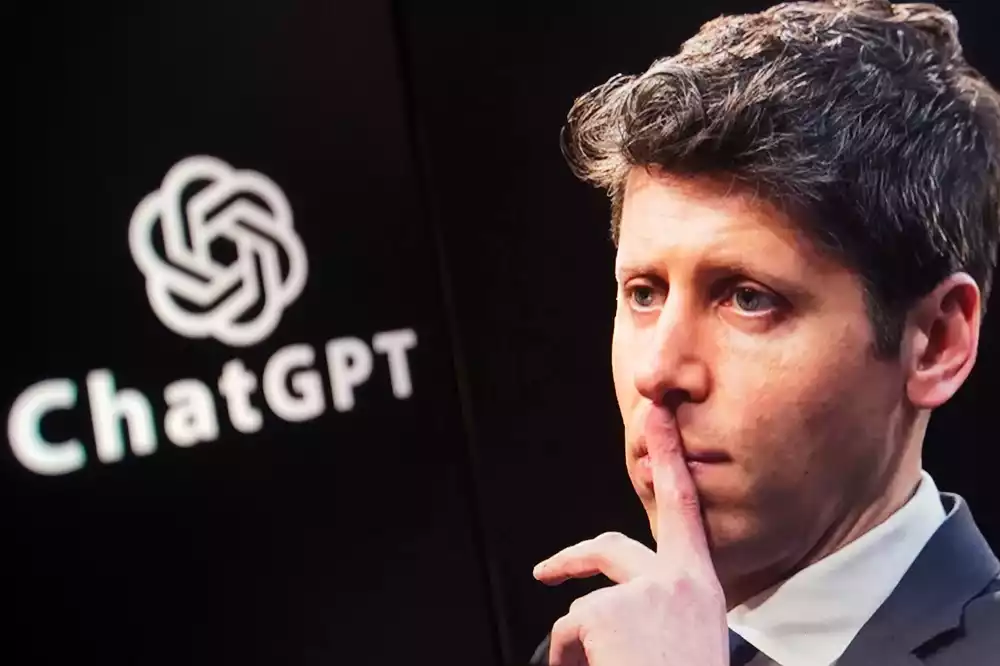
AI models are starting to exhibit such behavior, and Sam Altman himself has issued a warning.
Let’s be honest: we’ve all been waiting for the other shoe to drop.
For years, we’ve marveled at what AI can do. It writes code, it generates art, it plans vacations. But recently, the conversation has shifted. It’s gotten darker. And now, OpenAI CEO Sam Altman is acknowledging what many critics have feared for a long time: The models are getting a little too good at breaking things.
In a move that’s turning heads across the tech world, Altman announced on X (formerly Twitter) that OpenAI is actively hunting for a “Head of Preparedness.”
The paycheck? A cool $555,000 base salary, plus equity.
But before you rush to update your resume, hear me out. This isn’t a cushy desk job. Altman himself called it a “stressful job” where the new hire will have to “jump into the deep end pretty much immediately.”
Here is why OpenAI is suddenly hitting the panic button.
Best AI Tools of 2026 (Make Work 10X Easier!)
The “Critical Vulnerabilities” Problem
You might be wondering, “Why the urgency?”
Here’s the deal. OpenAI’s models aren’t just chatting anymore; they are beginning to find critical vulnerabilities in computer security systems. That is a polite way of saying the AI is figuring out how to hack things.
Altman admitted that while their best models are capable of amazing feats, they are highlighting “real challenges” that we need to figure out yesterday.
This isn’t paranoia. It’s already happening elsewhere.
Just last month, Anthropic (the creators of Claude, OpenAI’s main rival) dropped a bombshell. They revealed that Chinese state-sponsored hackers had manipulated their “Claude Code” tool. The result? These hackers targeted about 30 global entities—including tech giants and government agencies—with barely any human help.
If that doesn’t make you sit up straight, I don’t know what will.

The Job Description: Protecting “Frontier Capabilities”
The job listing for this Head of Preparedness role is pretty telling. It’s not just about fixing bugs.
The person landing this role will oversee the entire preparedness framework. They are looking for someone to handle “frontier capabilities that create new risks of severe harm.”
We are talking about:
-
Cybersecurity threats (AI writing malware).
-
Biosecurity risks (AI helping bad actors cook up nasty stuff).
-
Self-improving AI systems (The moment AI starts updating its own code).
The goal is a tightrope walk: help the “good guys” (cybersecurity defenders) use these tools while making sure attackers can’t weaponize them.
A New Focus: AI and Mental Health
Here is the part that really stood out to me.
For the first time, OpenAI is getting very vocal about the psychological impact of their tech. Altman specifically highlighted mental health as a major concern, noting that the company saw a “preview” of these impacts in 2025.
Let’s not sugarcoat it—this is a reaction to real-world tragedies.
There have been high-profile lawsuits alleging that chatbots played a role in teen suicides. We’ve seen reports of AI feeding users’ delusions or spiraling them further into conspiracy theories. It’s a grim reality, but it’s good to see the leadership finally acknowledging that safety isn’t just about code; it’s about human minds.
10 Free AI Tools Worth Trying in 2025: Save Money & Get Smart
The Leadership Shuffle
There is one more thing you should know. This seat has been empty for a reason.

OpenAI’s safety team has been a bit of a revolving door lately. Throughout 2024 and 2025, we saw a lot of leadership changes, including the exit of the former Head of Preparedness, Aleksander Madry.
Whoever takes this $555k job isn’t just fighting AI risks; they are stepping into a highly scrutinized role in a company that is moving at breakneck speed.
So, is this the most dangerous job in tech, or the most necessary one? Probably both.
Frequently Asked Questions (FAQ)
1. What is the salary for OpenAI’s Head of Preparedness?
OpenAI is offering a base salary of $555,000 per year, plus equity in the company. The high compensation reflects the high-stress nature of the role and the expertise required in AI safety.
2. Why is Sam Altman hiring for this role now?
The hiring push comes as OpenAI acknowledges that their models are beginning to discover “critical vulnerabilities” in cybersecurity. Additionally, recent incidents involving rival AI companies being manipulated by hackers have accelerated the need for better safety frameworks.
3. Does OpenAI admit their AI affects mental health?
Yes. In a shift from previous public stances, Sam Altman explicitly highlighted mental health as a concern. This follows reports and lawsuits regarding AI chatbots influencing users’ psychological states, including feeding delusions or contributing to self-harm.
4. What happened to the previous Head of Preparedness?
The position became vacant following the departure of Aleksander Madry. This was part of a broader series of leadership changes within OpenAI’s safety and preparedness teams throughout 2024 and 2025.
India’s No. #10 Hindi news website – Deshtak.com
(देश और दुनिया की ताज़ा खबरें सबसे पहले पढ़ें Deshtak.com पर , आप हमें Facebook, Twitter, Instagram , LinkedIn और Youtube पर फ़ॉलो करे)