Apple Update Alert: Major Blow to Millions of iPhone Users – Find Out Who Gets the New iOS
Apple Upgrade Update: Millions of iPhone Users Left in the Cold; New iOS 18.7.3 Security Patch Restricted to Select Models
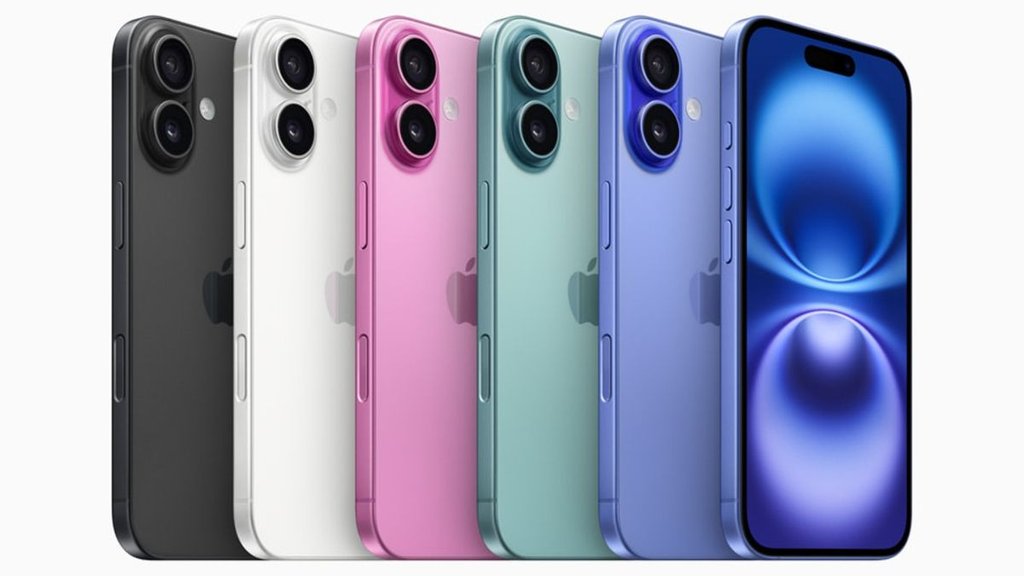
In a surprising move with its latest software rollout, Apple has restricted the iOS 18.7.3 update specifically to the iPhone XS and XR series. This decision has sparked a wave of confusion and concern among millions of older iPhone users who are now left wondering about the future of their device’s security.
The New Apple Update: Confusion and Surprise
On Friday, December 12, Apple released the major iOS 26.2 update. Alongside it, they launched iOS 18.7.3. Initially, reports suggested that this patch was installing smoothly on iPhones that don’t support the newer iOS 26.
However, the rest of the user base was left empty-handed. Most people were expecting iOS 26.2 to be the final, optional safety net for the iPhone 11 and newer models.
There was also a general consensus—backed by the beta version—that iOS 18.7.3 would be available for all iPhones. In fact, early notes listed fixes for the entire lineup. But the reality has changed. Now, every single fix—including the most critical security patches—is listed as “available” only for the iPhone XS, iPhone XS Max, and iPhone XR.
Why the Sudden Change of Heart?
iPhone users are naturally asking: What happened, and what does this mean for me? According to a recent report by Forbes, this shift could either be a technical glitch (bug) or a signal of a new strategic policy from Apple.
What’s clear is that the upgrade path has been altered once again.

These fixes are being labeled as ‘Critical’ because Apple has confirmed that iPhones are currently being targeted by attackers. Several “mercenary spyware” threats have been detected. While they are currently targeting a specific group of users, these threats have the potential to spread and become a much larger risk over time.
Why is this Update Essential for Your Security?
Apple’s decision to limit this release is being viewed as quite baffling by tech experts. iOS 18.7.3 was already coded for newer iPhones and could have easily been deployed to them. More importantly, making it widely available would have sped up the patching process across the entire Apple ecosystem—a move that is vital for collective security.
There are several reasons why users might be hesitant to jump to iOS 26, ranging from mixed reviews about the ‘Liquid Glass’ feature and storage constraints to the usual user inertia. While we don’t have official adoption data for iOS 26 yet, the delay in these patches leaves a gap in protection.
What Should iPhone Users Do Now?
If you’re confused about whether your phone is eligible for an update, checking is simple:
-
Open your iPhone Settings.
-
Tap on General.
-
Click on Software Update.


If an update is available for your specific model, it will appear there.
A word of caution: If your phone is now considered “obsolete” and Apple has stopped supporting it, it is highly recommended that you avoid using that device for sensitive tasks like mobile banking. Outdated security patches are an open invitation for hackers.
How Many People are Still on Old iOS Versions?
According to analyst data cited by Forbes, at least 50% of users have not yet upgraded to iOS 26. Analysts also suggest that only about 10% of the user base is using iPhones that are physically incapable of running iOS 26.
While the actual number of older devices might be slightly higher, it is still significantly lower than the massive number of iPhones currently running on various versions of iOS 18.
India’s No. #10 Hindi news website – Deshtak.com
(देश और दुनिया की ताज़ा खबरें सबसे पहले पढ़ें Deshtak.com पर , आप हमें Facebook, Twitter, Instagram , LinkedIn और Youtube पर फ़ॉलो करे)